
A Beginner’s Guide to Writing Compelling Wine Tasting Notes
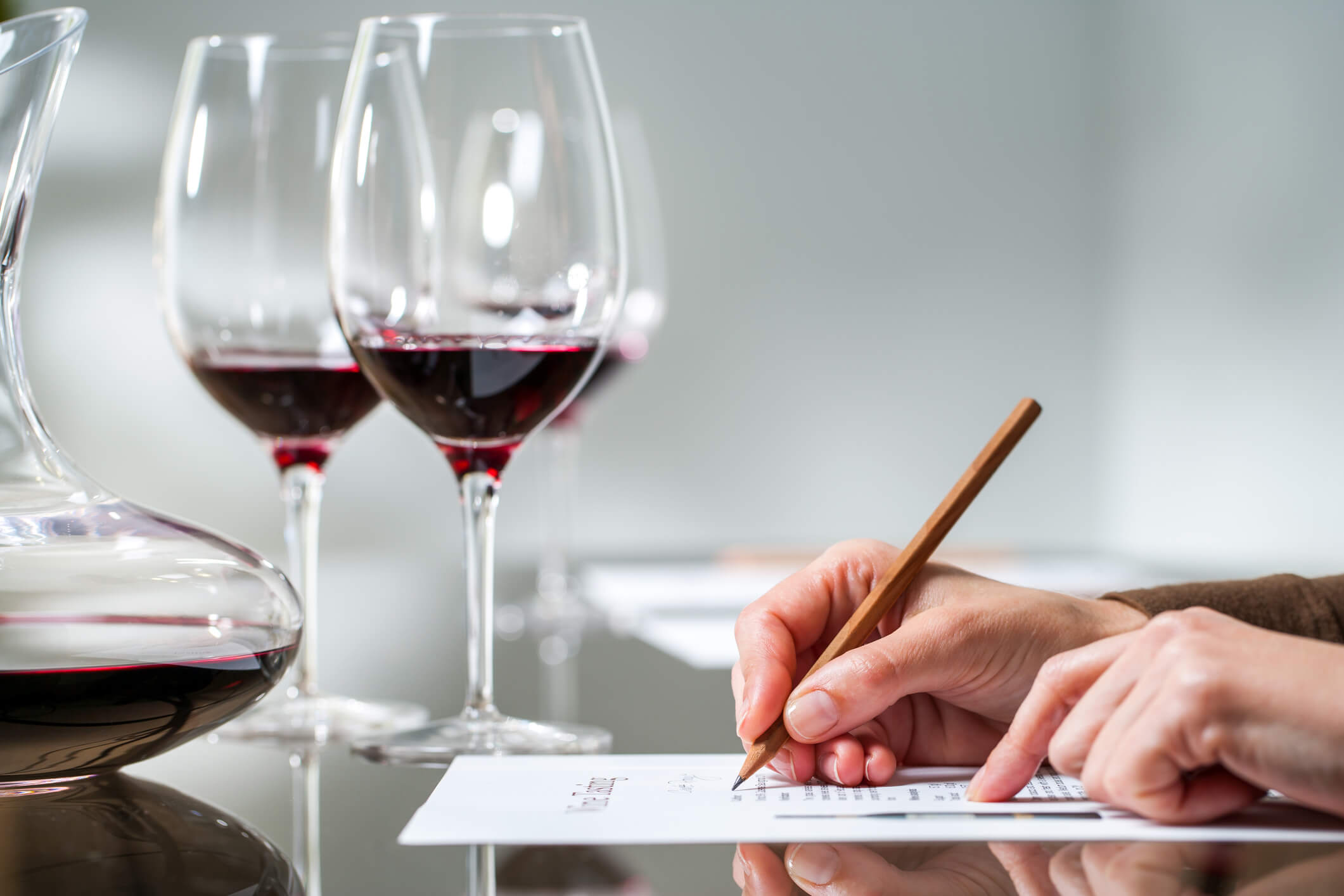
Have you ever savored a magnificent glass of wine, known instinctively that you loved it, yet struggled to articulate precisely why? It’s a common experience for many budding enthusiasts. The world of wine, rich in sensory delights and intricate nuances, often leaves us searching for the right words to capture its essence. What if each sip could tell a deeper story, a narrative you could revisit and learn from? Writing compelling wine tasting notes transforms a simple enjoyment into a profound journey of discovery, significantly deepening your wine appreciation. This beginner’s guide is designed to unlock the language of wine, demystifying how to write wine tasting notes that are both personal and descriptive. Wine Country Experiences is your premier resource for wine education, dedicated to empowering enthusiasts with expert insights and practical wine tasting techniques, helping you confidently navigate and articulate your wine journey.
The Silent Story: Why Record Your Wine Journey
Learning how to write wine tasting notes helps transform casual sipping into a more thoughtful and rewarding experience. By documenting aromas, flavors, textures, and impressions, wine lovers can better understand their preferences and develop a stronger appreciation for different wine styles and regions.
Consistent note-taking also improves wine vocabulary, sharpens sensory awareness, and makes it easier to remember standout bottles and tasting experiences. It is a practical way to build confidence, make informed wine choices, and enjoy wine with greater curiosity and understanding.
- Improves your wine vocabulary and tasting confidence.
- Helps identify subtle aromas, flavors, and textures.
- Creates a personal record of memorable wines.
- Supports smarter wine selections and food pairings.
- Strengthens overall wine education and appreciation.
- Encourages a more engaging and analytical tasting experience.
First Impressions: Seeing, Swirling, and Scent
Before tasting, wine already reveals valuable clues through sight and aroma. Observing the wine’s color, clarity, and texture can provide insight into its age, grape variety, and style, while swirling helps release deeper aromas and characteristics.
Smelling the wine is one of the most important steps in wine tasting. By identifying fruit, floral, earthy, or aging-related notes, you begin building a stronger wine vocabulary and a more refined understanding of different wine profiles.
- Examine the wine’s color, clarity, and viscosity.
- Swirl gently to release aromatic compounds.
- Identify fruity, floral, spice, or earthy aromas.
- Recognize primary, secondary, and tertiary notes.
- Use aroma wheels to expand tasting vocabulary.
- Build stronger sensory awareness before tasting.
Decoding the Bouquet: Master the Aroma Wheel
The wine aroma wheel is an indispensable tool for wine tasting notes for beginners, acting as your personal translator for the complex world of wine scents. It visually organizes wine aromas into categories, helping you move from general observations to precise wine descriptors. Imagine smelling a wine and thinking, “it smells fruity.” The aroma wheel guides you further: Is it red fruit (cherry, raspberry), black fruit (blackberry, cassis), or perhaps citrus (lemon, grapefruit)? From these broad categories, you can pinpoint more specific wine aromas. For instance, “fruity” might lead you to “berry,” then to “strawberry jam.” To make the most of this tool, practice recognizing common wine aromas in your everyday environment. Smell fruits, spices, flowers, and even earthy elements like soil or mushrooms.
This repeated exposure helps build a robust wine vocabulary and trains your nose. While pinpointing specific scents can be challenging initially, patience and practice are key. Consider exploring aroma kits, which offer small vials of concentrated scents found in wine, to sharpen your senses. Mastering the aroma wheel is a cornerstone of effective wine education, transforming vague impressions into articulate descriptions. Wine Country Experiences’ resources are specifically designed to help deconstruct complex topics like wine characteristics, making the journey toward genuine wine appreciation both accessible and deeply rewarding.
The Palate’s Secrets: Taste, Texture, and Finish
Once the visual and aromatic observations are complete, it is time to engage the palate. This crucial step in your wine tasting notes requires a focused approach to identify the primary taste components and sensations. When the wine enters your mouth, assess sweetness (is it dry, off-dry, or sweet?), acidity (does it make your mouth water, is it crisp or flabby?), tannin (found mainly in red wines, does it create a drying sensation, like tea?), and alcohol (does it feel warm or burning?). Understanding the intensity and balance of these elements is a hallmark of skilled wine tasting techniques. Next, articulate the wine flavors. Move beyond merely ‘grapey’; aim for nuanced descriptors like ‘tart green apple,’ ‘ripe black cherry,’ ‘spicy clove,’ or ‘toasted almond.’
Consider the wine’s texture, often called body, which refers to its weight and sensation in your mouth—is it light-bodied and refreshing, medium-bodied and smooth, or full-bodied and rich? Finally, evaluate the finish, or aftertaste. How long do the flavors linger? Is it clean, pleasant, short, or long? These elements combine to give a wine its unique character. Understanding the nuances of wine characteristics on the palate is vital not only for your notes but also for mastering food and wine pairing. Wine Country Experiences provides in-depth analysis on varietal profiles through its wine region guides and professional tasting techniques, simplifying the learning curve for beginners and enhancing your overall appreciation.
Anatomy of a Note: Structure for Clarity and Growth
With sensations flowing, the next step is to structure your observations into coherent wine tasting notes. A clear, actionable framework is essential for how to write wine tasting notes effectively. Start by designing a simple template that you can consistently use for each wine. A recommended structure typically includes a visual assessment (color, clarity, legs); an aroma analysis (incorporating insights from the wine aroma wheel to detail primary, secondary, and tertiary scents); a palate evaluation (identifying sweetness, acidity, tannin, alcohol, specific wine flavors, and texture); and finally, an overall conclusion, perhaps with a rating or a summary of your impression.
When writing, use concise, descriptive wine vocabulary, avoiding overly subjective language. Instead of ‘I liked it,’ try ‘the wine presented with vibrant acidity and a lingering finish of dark berries.’ Consistently practicing this structured approach, perhaps through a dedicated wine tasting guide or journal, is key. Regularly reviewing your old notes allows you to track your progress in wine appreciation, observe trends in your preferences, and refine your descriptive abilities. This disciplined practice not only enhances your personal wine education but also prepares enthusiasts for more advanced wine courses or for exploring specific wine region guides from Wine Country Experiences, which offers unparalleled insights into professional tasting techniques and deep dives into wine characteristics.
Your Next Sip, Your Next Story
From simply enjoying a glass to meticulously dissecting its every nuance, the journey of wine appreciation is incredibly rewarding. This guide has equipped you, the beginner, with essential wine tasting techniques, enriched your wine vocabulary, and provided a clear framework for how to write wine tasting notes. At Wine Country Experiences, we are dedicated to offering unique, in-depth, and transparent advice, guiding you beyond just tasting to true mastery of wine characteristics and flavors. If you have any questions, feel free to connect with us.
References
Wine Folly
WSET Global
Decanter Magazine
GuildSomm
The Wine Coach (Laurie Forster)